Introduction: Silk at the Sleep Interface
In ancestral bedrooms and modern sanctuaries alike, silk has held a quiet, almost ceremonial role in shaping the night. Silk-filled comforters bring a unique triad of properties to the bed: lightweight warmth, breathable ventilation, and hypoallergenic potential that can suit sensitive sleepers. When paired with a shell of silk or cotton, these comforters become a sleep system—an integrated layer that responds to the body's changing needs across seasons.
The Silk-filled comforter, at its essence, is a bridge between temperature regulation and tactile luxury. Grade 6A long-strand mulberry silk as a filling delivers a cloud-like loft that remains remarkably pliant with little bulk. A shell of silk (16 Momme charmeuse) or a cotton sateen shell provides the interface to the outer environment—skin contact, moisture management, and the overall durability of the cover. Together, they form a cohesive sleep surface that can adapt from a cool autumn night to a warmer spring evening without the heaviness of traditional down.
For readers navigating the taxonomy of bedding materials, silk-filled comforters offer a compelling case for a sleep environment that harmonizes comfort, health, and longevity. The following sections synthesize practical criteria for evaluating silk-filled options, share brand contrasts, and offer guidance on weight selection and maintenance.
Material Basics: Silk Fill and Shell Fabrics
Silk fills are typically comprised of graded long-strand mulberry silk. The factor most often highlighted by manufacturers is fill weight, expressed in ounces per square yard or gsm, which translates into loft and warmth. Higher fill power in silk translates to more warmth without bulk,albeit with the silk’s inherent breathability remaining a constant advantage. When silk fills are paired with a silk shell (16 Momme charmeuse) or a cotton shell (often 300-thread-count sateen), the resulting fabric surface governs the feel against skin and the rate of heat transfer from the body.
The interplay between fill and shell matters. Silk shells promote a smooth, cool-to-warm surface with minimal friction—an appealing feature for skin and hair health. Cotton shells, by contrast, tend to excel at moisture management and durability, sometimes offering a more traditional crinkle-free finish while maintaining breathability. The choice between silk-on-silk vs. silk-on-cotton configurations often comes down to personal comfort, climate, and care preferences.
A common structure in silk-filled comforters is to have a silk fill inside a silk shell for all-season warmth with heightened breathability, or to utilize a silk fill within a cotton shell to optimize moisture management while preserving loft. Some designs intentionally layer a silk face with a cotton reverse to balance tactile feel and ease of laundering.
Brand Comparisons: Silk-Filled Options from Reputable Names
In the current market, two notable examples stand out for their explicit emphasis on silk integrity and sleep performance: The Clean Bedroom and its Perle Silk line, and other silk-centric collections. These offerings frequently advertise a Grade 6A mulberry silk fill coupled with a silk shell in weights designed for year-round use. The interplay between fill and shell is described as regulating temperature and moisture, providing hypoallergenic benefits, and delivering a balanced loft that reduces the need for frequent flipping or adjusting during the night.
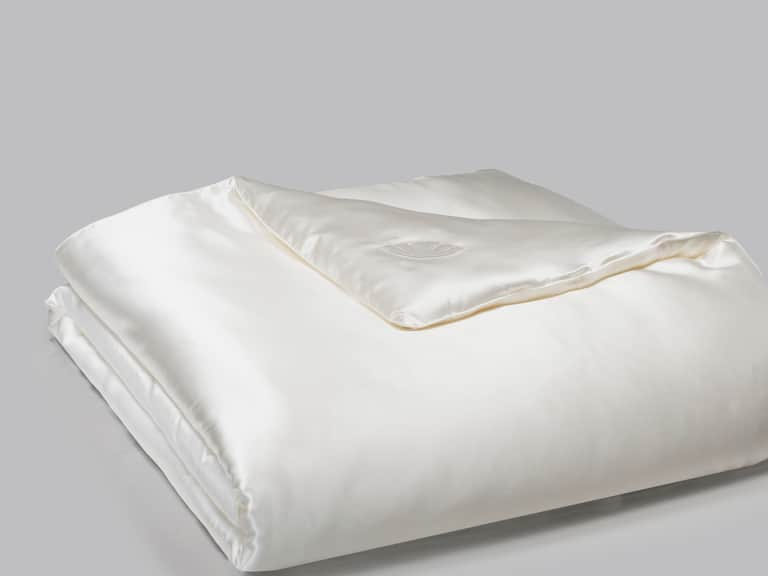
The All Season Silk Filled Comforter with Silk Shell exemplifies a design intent: maintain a calm, even warmth while supporting temperature regulation across seasons. As described in product materials across catalogs, the fabric shell (16 Momme Charmeuse Silk) emphasizes a refined, luxurious surface that feels soft and breathable. The care guidance typically recommends air-out routines and spot cleaning rather than frequent washing, preserving loft and silk integrity over time.
A contrasting approach can be observed in models that feature a silk fill within a cotton shell, offering a more conventional laundering experience and a slightly different tactile profile. In practice, both configurations aim to minimize moisture retention, prevent overheating, and create a sleep surface that remains conducive to skin health and allergy considerations.
All Season Silk Filled Comforter with Silk Shell
Grade 6A mulberry silk fill inside a 16 Momme silk shell; designed for year-round warmth with breathable performance.
Care: air out or spot-clean; avoid frequent washing to preserve loft and integrity.
Price: 1080.00 USD
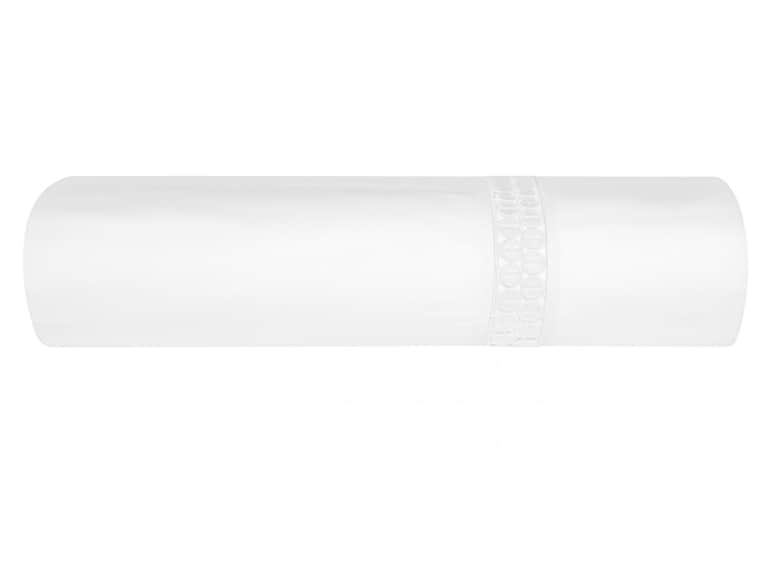
Another compelling example in silk bedding showcases the Forget Me Not Silk Duvet Cover—though not a comforter itself, it demonstrates how silk surface finishes can elevate the overall sleep experience when paired with complementary silk-filled pieces. The motif, restrained ivory borders, and silk construction highlight the aesthetic coherence that silk bedding brands strive to achieve: a serene sleep environment where texture and light interplay subtly.
Seasonal Guidance: Weight, Climate, and Sleep Needs
Selecting the right weight for a silk-filled comforter hinges on climate, room temperature, and personal warmth preferences. In temperate climates with seasons of variability, a versatile all-season silk-filled option balances warmth and breathability. For cooler environments or personal warmth preferences, heavier silk fills—even with a silk shell—can deliver cocooning warmth without the heaviness of traditional down.
In warmer climates or for sleepers prone to overheating at night, a lighter silk-filled configuration complements a well-ventilated bedroom. The silk’s natural moisture-wicking and temperature-regulating characteristics support a cooler surface while maintaining comfortable loft. Layering strategies, such as using a silk cover or a light cotton duvet cover, further modulate temperature and comfort.
Care strategies influence longevity. Silk is resilient when cared for with care instructions that minimize agitation. Spot cleaning and air drying are commonly recommended, with professional laundering guidelines for certain shell fabrics. Regular air-outs can help maintain the breathability and loft that remind the sleeper of silk’s unique properties.
Care and Maintenance: Protecting Loft and Longevity
Silk, when paired with a silk shell, benefits from gentler care regimes that minimize mechanical stress. The recommended approach is to air out the comforter regularly, spot-clean when needed, and avoid frequent machine washing. If washing is necessary, select cycles tailored to delicate fabrics and use mild detergents formulated for silk or wool to protect the fiber integrity.
A cotton shell, especially one with a high thread count, may tolerate more robust laundering without compromising loft, provided the manufacturer’s guidelines are followed. The key is to maintain the balance between loft and surface texture, ensuring that the silk fibers retain their natural resilience and continue to regulate temperature effectively.
Ultimately, the goal is to keep the sleep surface free from desiccation, pilling, or fabric breakdown, while preserving the hypoallergenic advantages that silk bedding can offer. A well-chosen silk-filled comforter, cared for with attention, can deliver years of restful, balanced sleep.
Historical Perspectives: Three Key Figures and Sleep
Throughout history, thinkers and scientists have pondered the relationship between environment and rest. Three figures—each from distinct eras—offer lenses through which to view the modern silk-filled comforter:
-
Hypatia of Alexandria (c. 370–415 CE) — A philosopher and mathematician whose devotion to empirical inquiry, even within the boundaries of antiquity, inspires a spirit of careful observation. In sleep matters, Hypatia’s era reminds us to examine the bed as a controlled environment: temperature, humidity, and cleanliness as elements shaping nightly experience.
-
Marie Curie (1867–1934) — A physicist whose work with radiation unveiled precision and resilience under demanding conditions. In the context of sleeping environments, Curie’s legacy echoes in material science: the rigorous testing of textiles, consumer safety standards, and materials that maintain integrity under repeated use.
-
Jane Goodall (born 1934) — A primatologist whose fieldwork highlights attentiveness to natural environments and well-being. Goodall’s emphasis on holistic health translates to bedding choices that respect the body’s needs for breathable materials, allergen-minimizing properties, and sleep-friendly ecosystems within the home.
These figures, separated by centuries, converge on a central idea: our environments—down to the fibers we surround ourselves with at night—shape well-being. Silk-filled comforters, as part of a larger sleep system, can be viewed as contemporary tools in the ongoing pursuit of restful, restorative sleep.
Conclusion: Silk as a Sleep-Centered Choice
Silk-filled comforters, particularly those pairing Grade 6A mulberry silk with a silk shell, offer a compelling blend of warmth, breathability, and hypoallergenic potential. The nuanced choice between silk-on-silk versus silk-on-cotton configurations, the weight of the fill, and the shell’s finish all contribute to a sleep surface that can adapt with the seasons and reflect personal health priorities.
By evaluating brand specifications, understanding fill percent and momme weight, and considering care guidance, readers can select a silk-filled comforter that aligns with climate, sensitivity, and lifestyle. The featured product, All Season Silk Filled Comforter with Silk Shell, embodies a balanced approach to year-round comfort, while complementary silk pieces—such as linen accents or silk duvet covers—can complement the broader sleep system.